
“A dashboard is your business heartbeat. It should tell you in seconds if things are healthy or not.”
– Jores Minasvand
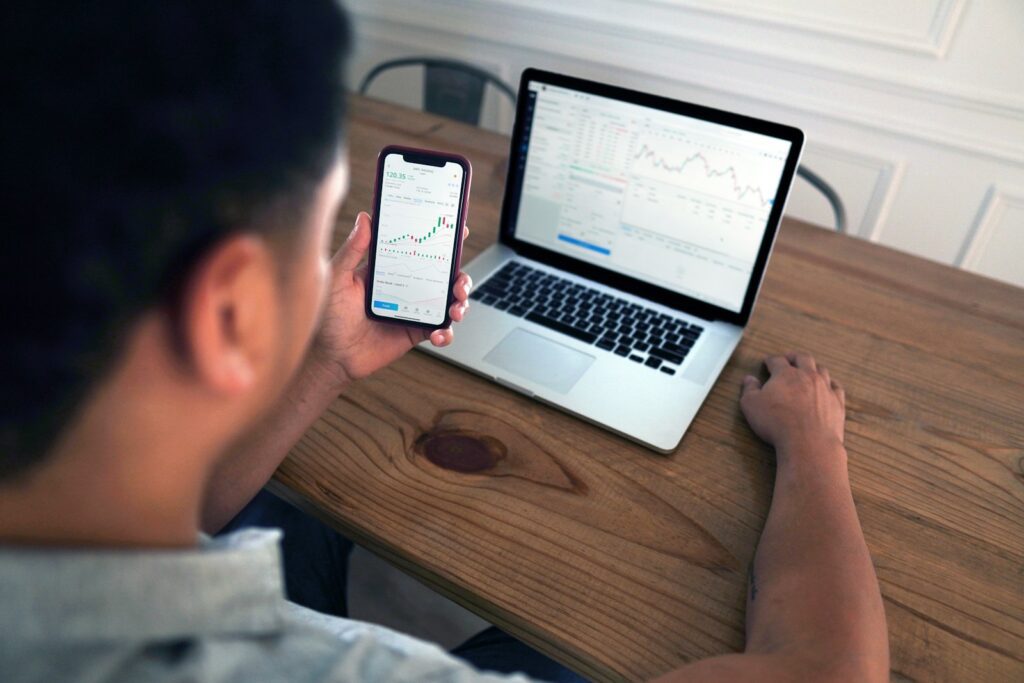
Your dashboard should be a window into your business, not a wall of numbers that makes you feel stuck.
In this episode, we share how to create a dashboard that helps you quickly see if your business is healthy, where the red flags are, and what’s trending in the right (or wrong) direction. Think of it as the vital signs of your company: simple, clear, and actionable.
We cover:
- The difference between dashboards and reports and why you need both
- The 4 key areas every dashboard should track: finances, customers, employees, and impact
- Why 5–6 KPIs is enough to guide decisions without overwhelming you
- How to spot trends early so you can act before small issues become big problems
- Why starting simple makes your dashboard more effective in the long run
If you’ve ever struggled with too many reports, conflicting numbers, or dashboards that look impressive but don’t drive action, this conversation will help you design one that truly supports your growth.
Want a dashboard designed specifically for your business? We can help. Reach out here and let’s create a system that gives you clarity, confidence, and control without overwhelm.
“Five or six KPIs are all you need. More data doesn’t mean more clarity.” – Anna Angelova
Transcript for “How to Build a Dashboard That’s Useful (Not Overwhelming)”
The transcript below was automatically generated. Please ignore any errors or inconsistencies in the text.
Anna Angelova 0:05
Happy Monday. This is more than just Task Management, your favorite daily podcast where we help you build a thriving business with me, Anna Angelova, business coach and consultant, and my co-host, Joris Minnispan, the business consultant. Hey, Joris, Happy Monday.
Jores Minasvand 0:22
Hey Anna, happy Monday, beautiful August Monday, loving it and another beautiful session from our our series. So let’s jump right in and see where we are.
Anna Angelova 0:37
I love it. Let’s jump right in. It’s Monday, time to get to work. And today what we are discussing is how you as the business owner can set up a dashboard that’s useful and not overwhelming, a useful dashboard to show you.
What’s going on the the posts of your of your business, like where you are, what’s going on. And this is one of the things where it’s like vitals, like like human beings, like we have our vitals, right? And there are the posts.
Breathing, uh, blood pressure or something, right? There’s a.
Jores Minasvand 1:13
Mhm.
In blood pressure, blood sugar and heart rate. Good.
Anna Angelova 1:19
And these are the things that they first check right when you when you like when when someone goes to the Uh and even if a bone is sticking out of somewhere, they first they check the vitals, they check put them to to attach them to a monitor and they check those vital signs. What’s going on there? Because there might be something that is.
Jores Minasvand 1:35
Mhm.
Anna Angelova 1:39
Not like more urgent than the bone. So just like this, your business, like every business has vital information that you need to monitor and you need to stay on top of this. And as an owner of a business, like in the beginning, yes, you do everything.
Can you track everything yourself? But of course, as the business grows, you want to detach yourself from a lot of the daily operations and monitoring every single step and just have that simple dashboard that helps you run the business as the CEO you are.
And we have talked about before, if we have talked about this before where when we work with our clients as a CEO dashboard, what we recommend is.
Four KPIs which are key performance indicators that you measure and one first one is profitability because ultimately every business, every for-profit business is in business to make money.
So a KPI for your profitability and knowing percentage wise equal how profitable you are and real in real dollars. And then of course you can see trends and things like this. Profitability is one then the other aspect is.
Customer satisfaction. So another KPI is how happy are your customers? And for this, of course, that Net Promoter Score is a very common way to measure customer satisfaction to see what’s going on. Nowadays, people leave reviews as well in various places, various.
Places. So your business might actually have reviews on Google, reviews in other location on Amazon that depending on where where you are, you might actually have these reviews as well and then employee satisfaction as well. So the third KPI that we recommend and when we work with our.
Consulting clients, this is another one we help with is the employee satisfaction and this one also like a internally net promoter score for our employees. How likely are they to recommend your company? Of course this one might be based on churn and all these kind of things.
Places like Indeed, they have actually and some some insights on different companies as well. There are places where your employees can actually rate your company. So all these kind of things can be on your dashboard represented in a KPI that shows you.
How happy your employees are, how productive they are, how how well they’re doing. And then the third one is impact like and this is where it really depends on your business and what kind of impact you want to make for with the business. It can be as simple as.
Number of people we’ve impacted the past month, which can be a combination of all of your e-mail subscribers, let’s say all of your customers and the reach you had and or it can be social enterprises like a lot of businesses nowadays.
Try to do something in addition to the business that like running a business, employing, employing people, like having a business, it’s already you’re doing so much for for the community and for society, but a lot of businesses also decide that.
Out of every dollar we earn, $0.10 will go to something, for example. Or for everything, like for everything our buyers, customers buy, we actually donate like for every shoe our buyers buy, we donate a shoe as well. So this can be an impact that you measure as well.
Have you on the dashboard. So this is where I’m starting the conversation and I I know Joris, you have so much to talk about here and so much to offer, but ultimately.
To have a dashboard that’s useful, you want to monitor the main things for a business and these are the main things like money, what’s going on with money and then of course you can drill down from there and then customers, employees and ultimately the the impact that your business is making.
Jores Minasvand 6:15
Yep. So a few points here before we dive into what should be in a dashboard and and I like to. I have some experience here where customers don’t understand the difference between a dashboard and a report.
So, so and this is how I explain to my customers and people that I speak with.
A report is a series of data points that you have from a specific area of your operations of your company that gives you insights. For example, you wanna understand where all of your marketing.
Are going and how do they correlate to sales for every dollar you spend, how much of that turns into actual sales and how much you make money profit out of that or revenue. So that’s a detailed report, that’s a complete page, Excel view or whatever view with some lines.
And you may, you will have one of those for operations, one for sales and marketing, one for finance, one for customer churn, a number of those you may have up to 1011 of them, which is great. But then do you really want to have to every day you want to take a look at every single one of them and understand where you’re.
Business is going to know as a CEO, as a top level business owner, you want to have a dashboard and dashboard is where you summarize all of these. So you want to say from the sales report, sales and marketing report, I want to see.
Be on every day how much money I spend on marketing and how much I convert into sales. It’s a very short, small chart or whatever. It’s days of the week. You see the sales versus marketing. There’s a correlation, there’s a forecasting.
From your finance you want to see revenue versus EBIT. From operations you want to see orders completed versus orders backlogged or there’s so many things that are important like you mentioned Anna those the top level KPIs so.
So what should you have in the dashboard? The dashboard should have a summary of all the important things that you want to monitor from your operations, finance, customer and employee satisfaction and impact of course as well.
And then if you want to go at any time of day, you want to go into the details of that, you just click on that specific measurement or KPI and that takes you to the actual reports where you can dissect it, you can export it to Excel, you can import other weather information or other market information and do all kinds of.
But As for you to have your thumb on on the the, the, the pulse of your operation, your business and this is where it becomes I think one of the the sessions that we have later this week is not doing micromanagement or we did we just talk about that.
I think it’s upcoming. Yeah. So it’s tomorrow. So tomorrow we talk about micromanage. So for you not to have to micromanage your your CFO or your finance guy or your operations guy, these are very, very important to have these dashboards.
Anna Angelova 9:32
It’s tomorrow.
Jores Minasvand 9:49
Look at it. If you have questions, if you don’t see it going on a healthy trend, dive in, see if you can find a root cause. Then at the end you go back to the people who are managing these numbers, creating these numbers and then you you.
Start managing or micromanaging, whatever you want to ask. Ask why. What is the root cause? Why are we spending more money on marketing less with less revenue or you know so. But for you to have just a small imagine your phone, right? It’s a very small object.
I don’t see think you guys can see it, but here we go. If your phone is very small, it’s a what 3 by 8 or screen. All you need is 5 to 6 measurements KPIs and then from there you can drill down. Then you will not be overwhelmed.
Anna Angelova 10:44
Five to six more than enough and maximum. And you’d already mentioned some of the important ones, absolutely finances, measuring and monitoring finances, marketing sales like this is something that.
Allows you to get a little bit more details into what’s going on with your business and you might be at a stage where you want to monitor this and this is again for you for this dashboard to be useful for you and not overwhelming first of all.
You as the business owner, you need to make sure that you work with your team to create that dashboard, to create it for you. And again, like we talk about everything when it comes to technology, it all starts with the business. So what are the?
Three to maximum six, it can be say five to six business questions that you need to monitor, business questions that you need to know about and then from there work with your team. So you get the answers for these questions like you see these on your.
Dashboard and um.
Of course, as the business owner, you want to have a holistic view of the business. So while you might want to drill down and see some more details for a specific area, your dashboard should actually include the things we are talking about. It should include financial information.
Your finances, information about your operations, like customers, employees like it should include.
Five to six maximum key points that give you that visibility within your business, like within the vital systems of your business, the systems that turn things around in your business. And again, as the business owner for this to not to be overwhelming.
You need to be involved in not creating this in terms of like you go and create it like the the the technical work, but creating it like you you are the one who’s who decides what what information you need to see and this information needs to be.
What you as the business owner care about and what matters to you and what gives you clarity into what’s going on. And sure, it’s like you said, when you see something that starts flashing yellow, you know to drill down, you know to go and check and see what’s going on.
Jores Minasvand 13:21
Yeah, it’s very simple. Again, I I don’t have a lot of brain cells left, so I love simple things. If you keep things simple, they’re easier to digest, they’re easier to maintain, they’re easier to control. And again, if you want a lot of details, if you have some time.
Dig deep into into your finances, but for you basically when you especially when you get to 7 digit business, you don’t want to waste all your time. All you need to know is what is my revenue, what is my EBIT?
Am I on target? That’s it. So yeah, I mean it’s it’s we we can’t really put much more, you know, fluff around this. It’s very simple. Build a few KPIs in your dashboard, monitor the dashboard and.
You will be you you can go get on the beach or you know fly to Florida and not worry about your business. And if you have put the right, if you have put the right people in in in in place and you have followed our advice of what we did, you know we talked about in our previous podcast.
Pick the right person, enable them, disconnect yourself, and this is where you can actually monitor your success in getting your business running without yourself. If you see that every single KPI is going downwards towards yellow and red, oops.
You need to step back in. So it’s and and with especially with the new technology in place, if you have enough data, you can actually do a lot of trending work, trending and forecasting. What is my trending? Where am I going? Where am I going to be in six months, two years and five years?
And these are very accurate trends that that can help you refocus your business.
Anna Angelova 15:11
You start.
Trends and projections as well. Like you can have projections for the next month and the the next couple of months and see OK, this is was our idea of what things to look like. This is what happened, what happened and sometimes if he you might.
Have projected that all of this marketing campaign would have will bring us like will increase our sales 50%, but suddenly it increases your sales 100%. So what happened? Why are you off so much? Like what? What did you didn’t account for? Because yes, it’s great outcome. It’s more than you expect.
But it’s it’s a deviation from where you thought you would be. So again, simple, simple, simple. This is this is the key up to maximum five or six. And even when you think like I was just thinking about a car, right when you are in the car.
There are just a few key things that you need to to know about gas. How much gas do you have, right? Or if you are an electric kind of thing, like how much battery do you have, the speed?
You are going with like how fast you are going, of course, like direction, things like this, like you, you follow the street, you follow the highway, things like this when you drive and then things that come up is oil.
And fluid for for the wipers because like especially winter time and even in the summer like you need to have wiper fluid and then higher pressure. These are some of the key things that you need to know about.
That’s it. Like everything else. Yeah, light as well. But you know, like even with the car and all this, every single system, like it’s not just the business, every single system has a few key.
Components, a few key things that to to monitor and to pay attention to and from there again simple and it’s better to start with a few and then if you want to to to see how it works, don’t be afraid to test, right? Don’t be afraid to test and see.
If you don’t know like, oh, I’m not sure how to proceed. Again, as I said, starting from from the business questions and the business information you need in front of you, then test and see, explore and see what kind of KPI, what kind of dashboard will help you.
And as usual, especially when it comes to this area, actually we do have a lot of expertise here, so always happy to help with this kind of work. If you’re wondering how to do this for yourself and you actually want to have this kind of a beautifully looking dashboard in front of you, that doesn’t overwhelm you.
And helps you run your business like a well-oiled machine. Reach out to to us. This is our bread and butter, actually.
Jores Minasvand 18:25
Fantastic. Very informative session, Anna.
Anna Angelova 18:31
Oh, thank you, Jeresik. You have so much knowledge in this area. So thank you. Thank you. And like you said, tomorrow we’ll be back with how not to be a macro manager. So ensure to make sure to come back tomorrow for another episode.
Jores Minasvand 18:36
You’re welcome.
Anna Angelova 18:50
Especially if you’re just starting to hand things off to people, right? You’re just starting to hire or outsource things. This episode is for you. So go update your dashboard if you have one, or create ones for yourself, or if you need help, reach out.
to us and tomorrow we’ll be talking about you and your leadership style. Bye.
Jores Minasvand 19:18
Thank you.